

 English
 中文简体
中文简体 Español
Can Folding Tables And Chairs Shape the Way Communities Gather?
Mar 25, 2026
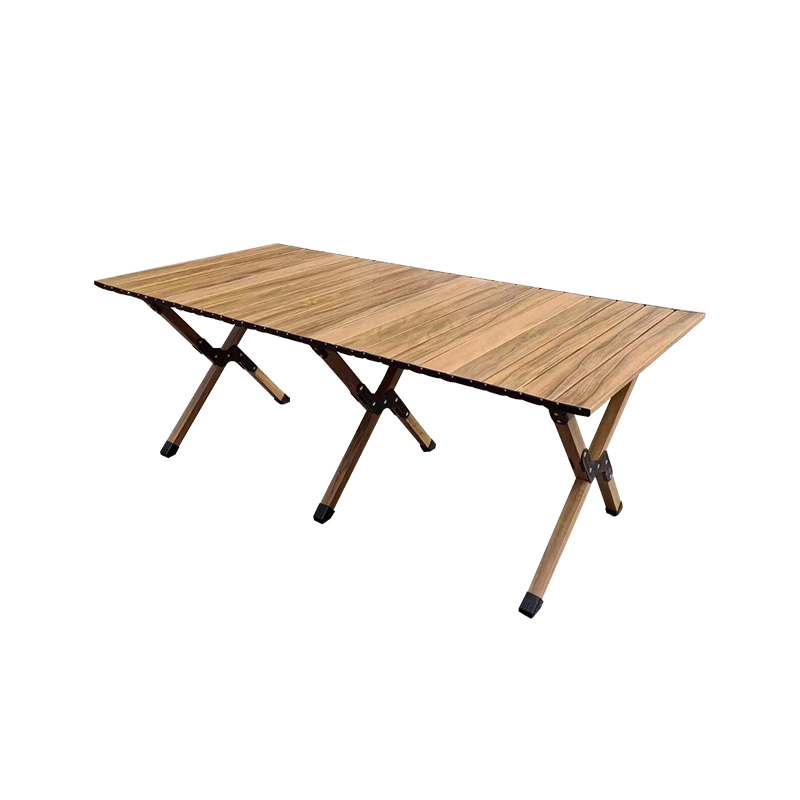
When people think about community life, they often picture conversations, shared meals, and group activities. Furniture rarely comes to mind. Yet in many neighborhoods, schools, and local centers, Folding Tables And Chairs quietly support these moments. They are not flashy, but they make gatherings possible in spaces that were never designed for one fixed purpose.
As community spaces become more dynamic, the role of flexible furniture deserves a closer look.
Turning Any Room Into a Meeting Place
A classroom during the day might host a parenting workshop at night. A church hall may transform into a weekend market. A library corner can shift from reading space to discussion area in minutes.
Folding Tables And Chairs allow these transitions to happen smoothly. Staff or volunteers can arrange rows for a seminar, clusters for group work, or a large square for open discussion. When the event ends, everything folds away, restoring the room to its original function.
This ability to reset a space encourages more frequent use. Instead of limiting activities to rooms with fixed furniture, communities can experiment with different formats and events.
Supporting Grassroots Events
Small-scale initiatives often operate on tight budgets. Local art fairs, neighborhood associations, and charity fundraisers need practical solutions that do not require complex installations.
In these cases, Folding Tables And Chairs offer a straightforward setup. They can be transported in vans, stored in modest closets, and arranged without special tools. This reduces logistical pressure and allows organizers to focus on content rather than infrastructure.
Over time, the repeated use of Folding Tables And Chairs in public events creates familiarity. Participants know what to expect: a simple layout that prioritizes connection rather than decoration.
Encouraging Participation Through Comfort
Seating arrangement influences how people interact. Rows facing a stage create a different atmosphere than circles or shared tables. With Folding Tables And Chairs, layouts can be adjusted to match the tone of each event.
For example, a community dialogue about local issues may benefit from smaller table groups that encourage quieter voices to speak. A training session might require a classroom-style format for note-taking. Because the furniture is easy to reposition, organizers can experiment with setups that suit their goals.
Comfort also matters. Modern designs include supportive backs and stable frames, making longer sessions more manageable. When attendees feel physically at ease, they are more likely to stay engaged.
Adapting to Outdoor and Temporary Spaces
Community life does not stay indoors. Street festivals, school sports days, and seasonal markets all take place outside. Portable solutions are essential in these environments.
Folding Tables And Chairs are well suited to temporary outdoor use. They can be set up on lawns, under tents, or along sidewalks. After the event, they are folded, stacked, and stored until the next occasion.
This flexibility helps communities respond to changing circumstances. If weather conditions shift or attendance exceeds expectations, additional seating can be added quickly.
Rethinking Storage and Shared Resources
Many community centers now treat furniture as a shared resource rather than a fixed asset tied to one room. Stacks of Folding Tables And Chairs can be moved between buildings or loaned to partner organizations.
This shared approach reduces the need for each group to purchase its own equipment. It also encourages collaboration, as resources circulate within the network.
When furniture is designed for repeated folding and transport, it becomes part of a larger system that supports cooperation and efficiency.
More Than Just Practical Items
At a glance, Folding Tables And Chairs may seem purely functional. Yet they influence how people come together, how ideas are exchanged, and how public spaces evolve.
They make it easier to host events without long-term alterations to buildings. They lower barriers for small organizations. They help rooms adapt to shifting needs.
In a time when community engagement is often discussed in abstract terms, perhaps it is worth considering the practical foundations that make it possible. Could something as simple as Folding Tables And Chairs be shaping the way neighbors meet, learn, and collaborate?

Add:No.16 Zhongxing Avenue ,Longshan Town ,Yongkang City, Zhejiang, China
Phone:+86-13858930745
Tel: +86-579-87556036
Fax:+86-579-87556037
Email: [email protected]
Email:[email protected]
Copyright © Yongkang Chenda Hardware Craft Factory.

Leisure Outdoor Furniture Factory