

 English
 中文简体
中文简体 Español
What Makes a PVC Chair Factory Suitable for Modern Furniture Markets?
Jan 09, 2026
PVC chairs are widely used in homes, restaurants, schools, and outdoor spaces. Their popularity is closely connected to how they are manufactured. A PVC Chair Factory plays a practical role in shaping these products, balancing material selection, production efficiency, and real-world usage needs.
The Basic Role of a PVC Chair Factory
A PVC Chair Factory focuses on producing seating products made primarily from polyvinyl chloride materials. These factories are responsible for turning raw PVC compounds into finished chairs through molding, assembly, and surface treatment. Instead of focusing only on appearance, factories pay attention to structure, weight capacity, and everyday comfort.
Factories often serve wholesalers, furniture brands, and project buyers. This means production planning needs to be flexible enough to handle different order volumes and design variations without disrupting output.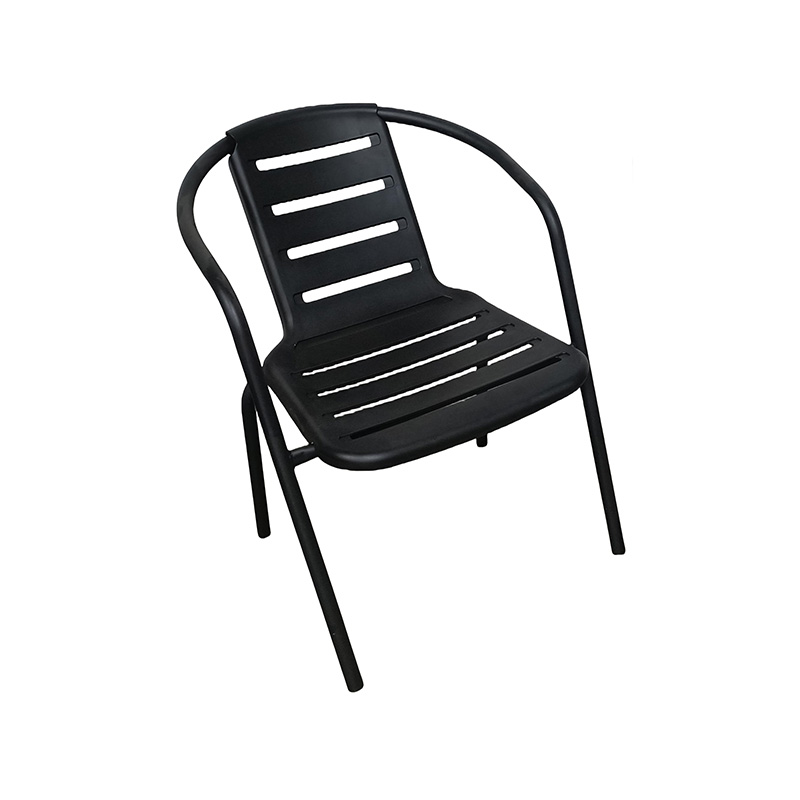
Material Selection and Processing
PVC material is chosen for its adaptability and ease of shaping. In a factory environment, PVC pellets or compounds are prepared according to specific formulas. Color, flexibility, and thickness can be adjusted depending on chair usage, whether for indoor dining or outdoor seating.
Processing usually involves injection molding or extrusion, followed by cooling and trimming. These steps help maintain consistent dimensions, which is important when chairs need to stack or fit into standard layouts.
Production Workflow and Equipment
Inside a PVC Chair Factory, production is divided into clear stages. Mold preparation, material heating, forming, and finishing are handled by dedicated equipment. Automation is often used for repetitive steps, while manual inspection remains important for checking surface quality and stability.
This combination of machines and skilled workers helps factories keep production moving while responding to design changes. Small adjustments to molds or material blends can be introduced without stopping the entire line.
Design Flexibility and Custom Orders
Furniture buyers often look for chairs that match specific spaces or branding styles. A PVC Chair Factory usually offers customization options such as color selection, surface texture, or logo placement. Some factories also adjust seat height or backrest shape to suit regional preferences.
Customization does not always require complex changes. In many cases, switching molds or adjusting finishing processes is enough to meet client needs while keeping production schedules stable.
Quality Control in Daily Output
Quality control is part of everyday operations. A PVC Chair Factory typically checks chair strength, balance, and surface condition before packing. Random sampling is used to test load resistance and long-term use performance.
By identifying issues early, factories reduce the chance of returns or complaints. For buyers, this means receiving products that meet agreed specifications without unexpected variations.
Practical Value for Buyers and Distributors
Working with an experienced PVC Chair Factory provides more than just finished products. Buyers gain access to production insights, material advice, and stable supply cycles. This helps distributors plan inventory and respond to seasonal demand more effectively.
Factories that maintain clear communication and consistent standards are often preferred for long-term cooperation, especially in competitive furniture markets.
PVC chair manufacturing relies on clear processes, adaptable materials, and steady production management. From material preparation to final inspection, each step supports the usability of the finished product. Understanding how factories operate helps buyers choose suppliers that align with real market needs rather than short-term trends.

Add:No.16 Zhongxing Avenue ,Longshan Town ,Yongkang City, Zhejiang, China
Phone:+86-13858930745
Tel: +86-579-87556036
Fax:+86-579-87556037
Email: [email protected]
Email:[email protected]
Copyright © Yongkang Chenda Hardware Craft Factory.

Leisure Outdoor Furniture Factory