

 English
 中文简体
中文简体 Español
What Should Buyers Consider When Ordering a Garden Seating Set for Commercial Use?
Apr 17, 2026
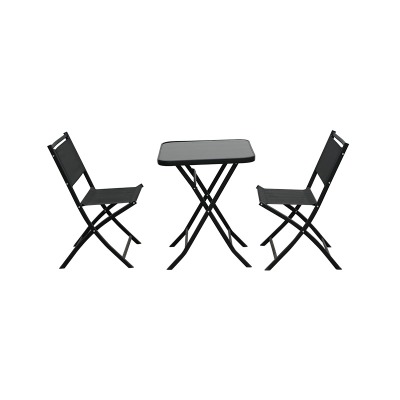
In recent years, outdoor furniture has seen steady demand in both commercial and residential markets. Among the popular options, a Garden Seating Set stands out for its versatility, durability, and appeal. For businesses involved in procurement, understanding the manufacturing and supply aspects of these sets is essential for making cost-effective and practical decisions.
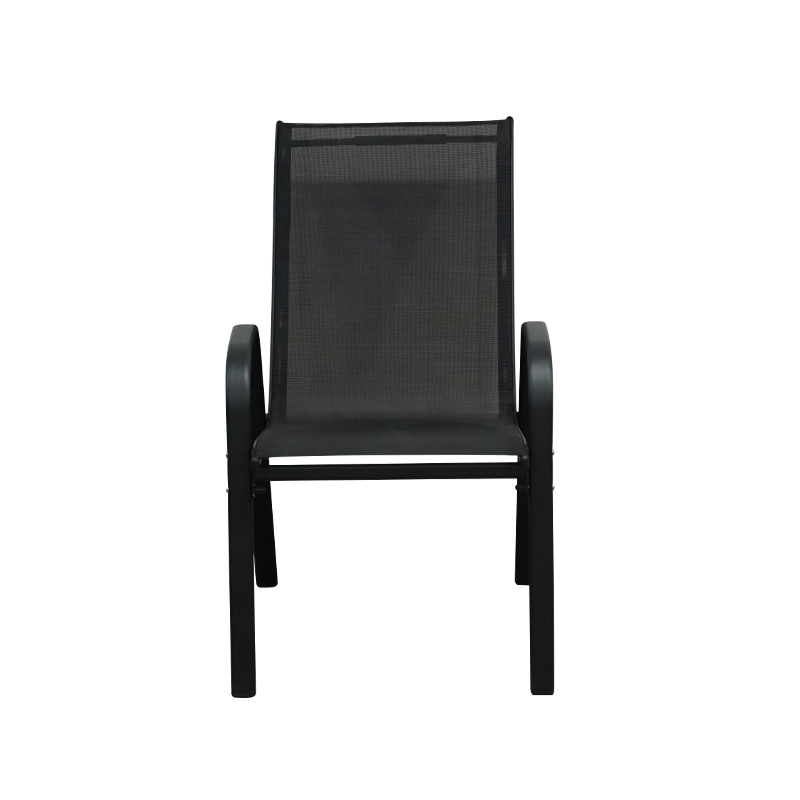
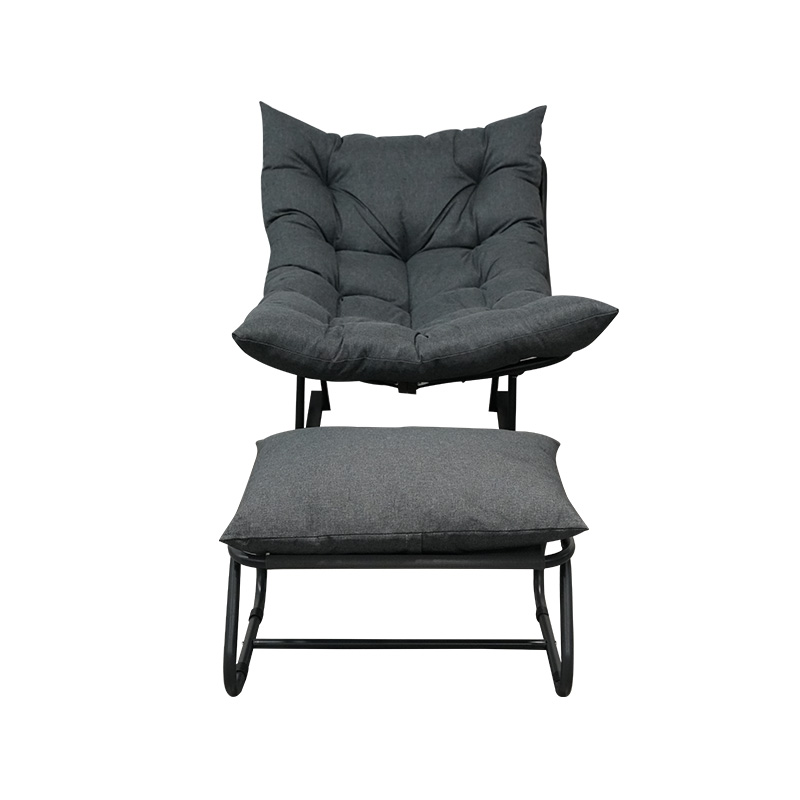
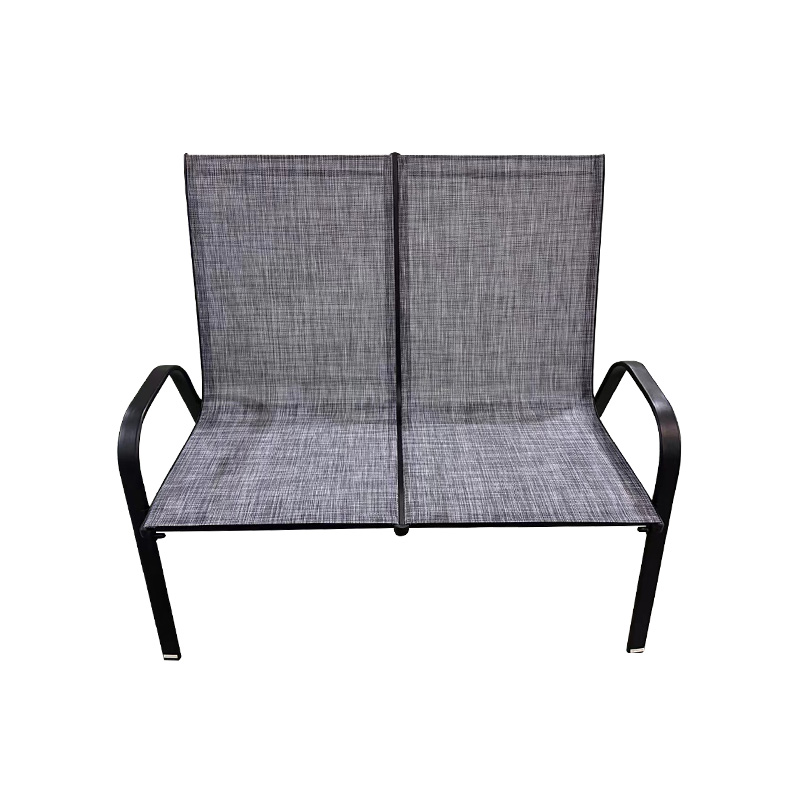
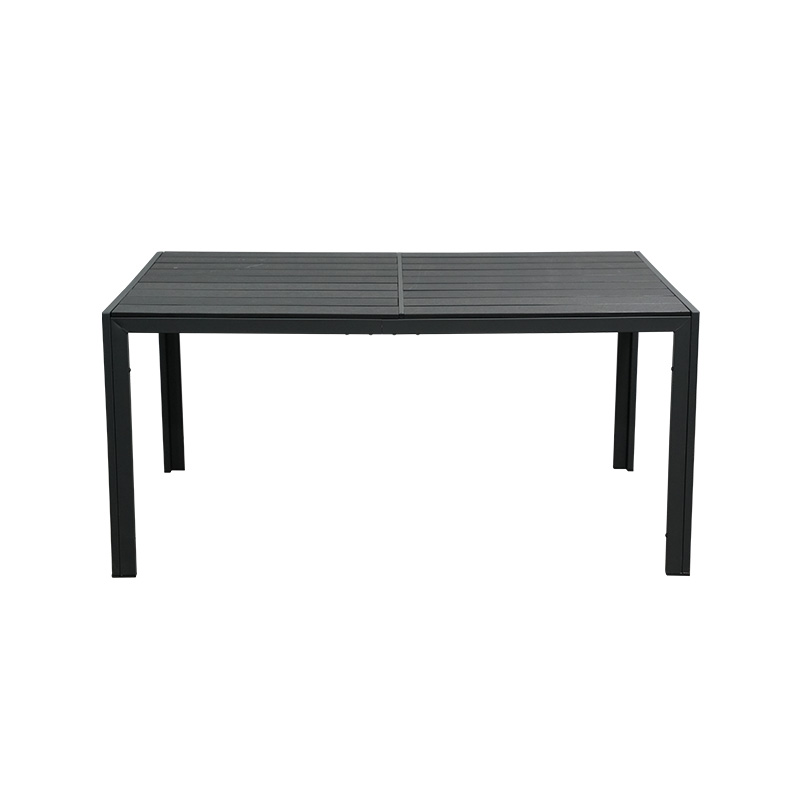
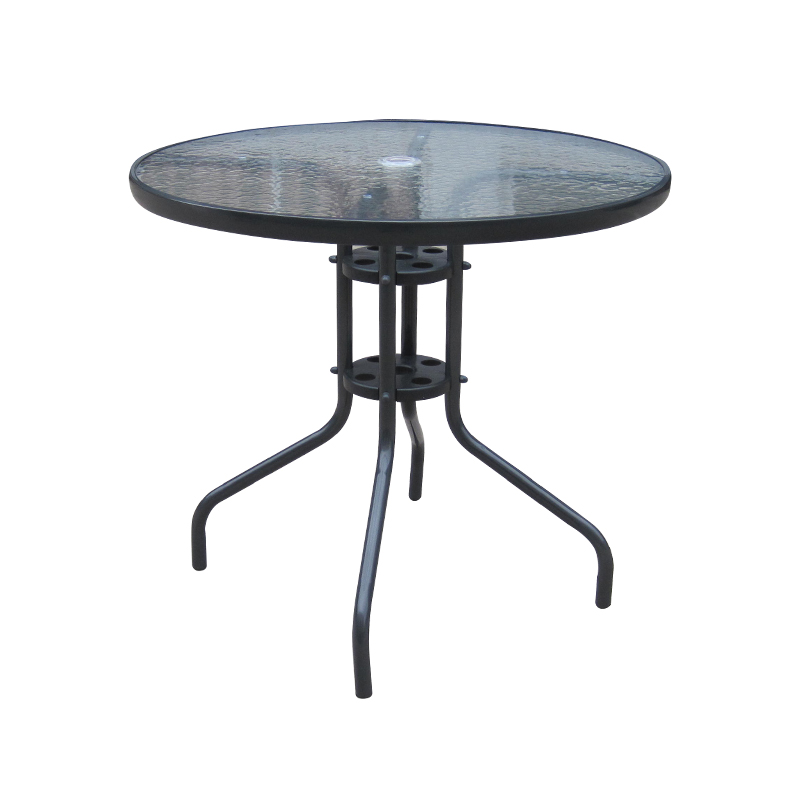
A Garden Seating Set typically includes chairs, benches, or tables made from materials like wood, metal, or synthetic composites. Each material brings its own advantages—metal frames offer durability, while wood provides a natural aesthetic. From a procurement standpoint, knowing the material specifications helps buyers align product quality with customer expectations.
Additionally, modular designs or stackable options make these sets easier to transport and store, which is crucial when planning bulk orders. Features like weather-resistant coatings or UV-protected finishes can also influence product longevity, making them more suitable for different climates and customer requirements. Considering these details helps buyers select a set that balances cost, functionality, and appeal.
Manufacturing Considerations
Manufacturers focus on a combination of efficiency and quality control. Producing a Garden Seating Set in volume requires careful planning of cutting, welding, and finishing processes. Standardized designs can streamline production, while customization options allow clients to meet specific market needs. Understanding the production cycle—how long it takes from raw material to finished product—helps buyers schedule orders and manage inventory more effectively.
Quality inspection is another key step. Even minor defects can affect assembly or durability. Reliable suppliers typically implement consistent checks to ensure that every set meets specified standards. Some manufacturers also provide testing for weight capacity and stability, which can be important for commercial installations such as hotels, restaurants, or public spaces.
Bulk Procurement Strategies
For companies purchasing large quantities of Garden Seating Sets, supplier selection is critical. Evaluating factors such as production capacity, lead times, material sourcing, and after-sales support can prevent potential bottlenecks. Establishing long-term partnerships with manufacturers often brings advantages, including stable pricing, predictable delivery schedules, and access to product updates.
Negotiating terms like packaging, shipping methods, and minimum order quantities can also influence overall cost-effectiveness. A well-structured procurement plan minimizes risks of shortages or overstocking, especially during seasonal peaks when demand for outdoor furniture rises. Tracking supplier performance over time can help companies refine future orders and reduce the likelihood of delays or errors.
Logistics and Storage
Shipping and storage are practical aspects that can affect the feasibility of bulk orders. Stackable or disassemblable Garden Seating Sets reduce volume and handling complexity, making them easier to transport. Proper packaging prevents damage during transit, while warehouse-friendly designs allow efficient storage until delivery.
Companies involved in procurement should also consider regional regulations, especially for outdoor furniture materials that may require certifications for safety or environmental standards. Staying compliant avoids delays or penalties while ensuring customer satisfaction. Planning for seasonal fluctuations in demand can also help allocate warehouse space efficiently and maintain a steady flow of inventory.
A Garden Seating Set is more than just a product for leisure—it represents a structured supply chain process, from manufacturing to bulk delivery. By understanding material choices, production methods, and logistics, businesses can make informed procurement decisions. Thoughtful planning ensures that orders arrive on time, meet quality expectations, and remain cost-effective, supporting both short-term sales and long-term business goals. Companies that pay attention to these details can build stronger supplier relationships and maintain consistent satisfaction among their clients.

Add:No.16 Zhongxing Avenue ,Longshan Town ,Yongkang City, Zhejiang, China
Phone:+86-13858930745
Tel: +86-579-87556036
Fax:+86-579-87556037
Email: [email protected]
Email:[email protected]
Copyright © Yongkang Chenda Hardware Craft Factory.

Leisure Outdoor Furniture Factory