

 English
 中文简体
中文简体 Español
Is Rattan Bench Seating Comfortable for Long Sitting
Jun 12, 2026
A Rattan Bench Lover Seating arrangement often attracts attention because of its natural appearance, lightweight construction, and ability to fit both indoor and outdoor spaces. Yet many buyers share a similar concern before purchasing: can a rattan bench remain comfortable during extended conversations, reading sessions, family gatherings, or leisure time? Comfort depends on much more than the woven surface itself. Seat dimensions, backrest angle, frame design, cushion density, and even armrest positioning all contribute to the sitting experience. Understanding these factors helps users evaluate whether a rattan bench matches their intended use. Research on rattan seating comfort consistently highlights ergonomics, cushioning, and structural design as major influences on long-duration seating satisfaction.
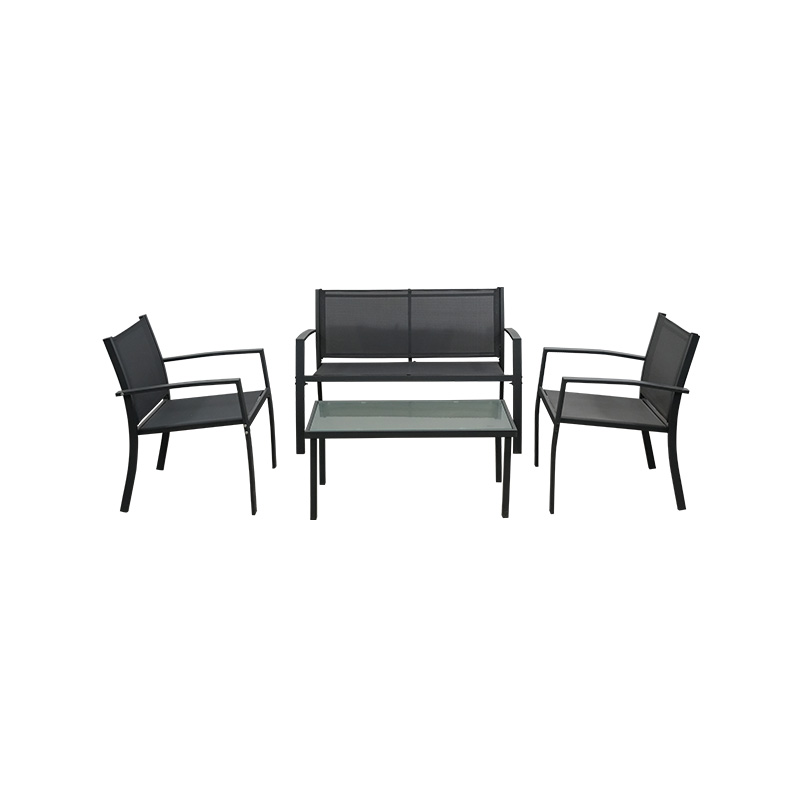
Comfort Begins With Bench Geometry
Many people focus on the woven material while overlooking the actual dimensions of the bench. Geometry often plays a larger role in comfort than the material itself.
Seat Height Matters
A bench that sits too low places additional pressure on the knees and thighs. One that sits too high may reduce foot contact with the ground.
- Typical seat height ranges from 430 mm to 480 mm
- Balanced height supports easier sitting and standing
- Proper foot placement improves weight distribution
Ergonomic seating studies suggest that heights around 17–19 inches provide a comfortable sitting position for many users.
Seat Depth Influences Leg Support
Shallow seating may create pressure on the hips, while excessive depth can reduce lower-back support.
- Common bench depth ranges from 450 mm to 550 mm
- Adequate thigh support reduces fatigue
- Balanced depth encourages a natural sitting posture
A well-designed Rattan Bench Lover Seating model typically provides enough depth to support the thighs without forcing users to lean forward.
The Role of Backrest Angle
Backrest design often determines whether users stay seated comfortably for ten minutes or an entire afternoon. Research on outdoor bench ergonomics suggests that a backrest angle between 95° and 105° provides a more relaxed seating position than a rigid 90° design. This slight recline helps distribute body weight across the seat and backrest while reducing pressure on the lower back.
Benefits of a Slight Recline
- Supports natural spinal curvature
- Reduces lower-back strain
- Allows shoulders to relax more naturally
- Improves comfort during longer sitting periods
Many modern rattan benches incorporate a gently angled backrest specifically to enhance long-duration use.
How the Woven Surface Affects Comfort
Unlike solid wood or metal seating, rattan features a woven construction that introduces a small amount of flexibility. This natural flexibility creates a softer sitting sensation compared with rigid materials. Industry discussions regarding rattan seating frequently note that quality weaving provides slight give under body weight, helping reduce pressure concentration on specific areas.
Weave Quality Differences
- Tightly woven surfaces provide stronger support
- Uniform weaving improves pressure distribution
- Rounded edge designs reduce leg discomfort
- Consistent strand spacing enhances durability
Poor-quality weaving may create uneven support areas that become noticeable during extended use.
Cushions Can Transform the Experience
Discussions about rattan seating comfort frequently return to one component: cushions. Many users appreciate the visual appeal of exposed rattan, yet additional padding often increases comfort significantly. Multiple furniture comfort studies indicate that cushion thickness, foam density, and resilience directly influence long-term sitting satisfaction.
Recommended Cushion Characteristics
- 50–100 mm cushion thickness for extended seating
- High-resilience foam cores for shape retention
- Breathable fabric covers for outdoor applications
- Removable covers for easier maintenance
Community discussions among furniture users also suggest that cushions dramatically improve comfort during reading, dining, and social gatherings.
Indoor and Outdoor Comfort Differences
Comfort is influenced by the surrounding environment as much as the bench itself. Outdoor installations face sunlight, humidity, temperature changes, and weather exposure. These conditions affect both cushions and woven materials.
Outdoor Seating Considerations
- UV-resistant synthetic rattan maintains structural integrity longer
- Powder-coated steel frames improve stability
- Weather-resistant cushions retain support characteristics
- Proper ventilation reduces moisture retention
Furniture experts often recommend synthetic rattan materials for outdoor environments because they tolerate sunlight and moisture more effectively than natural fibers.
Armrests and Seating Width Also Matter
Long sitting sessions involve more than just the seat and backrest. Armrests provide support during posture changes and help reduce shoulder fatigue. Adequate seating width also prevents users from feeling restricted.
Features That Enhance Sitting Duration
- Integrated armrests improve relaxation
- Curved edges reduce pressure points
- Generous seating width encourages movement
- Balanced frame rigidity prevents excessive flexing
Several seating comfort studies note that armrests become increasingly valuable as sitting time increases.
What Users Often Notice During Extended Sitting
Real-world user feedback reveals that comfort perceptions vary widely depending on bench design and cushion quality. Some users report enjoying rattan seating for reading or casual conversation, while others mention discomfort from rigid armrests or insufficient padding. Discussions within furniture communities repeatedly highlight shape, support, and cushioning as more important factors than the rattan material itself. A well-designed Rattan Bench Lover Seating product combines supportive dimensions, ergonomic backrest angles, quality weaving, and appropriate cushioning. These elements work together to create a seating experience suitable for extended use rather than short-term decorative purposes.
Comfort during long sitting sessions is not determined by rattan alone. Bench geometry, cushion construction, backrest positioning, weave quality, and frame stability all contribute to the overall experience. A thoughtfully engineered Rattan Bench Lover Seating design can provide enjoyable support for conversations, relaxation, reading, and everyday use, especially when paired with ergonomic dimensions and suitable cushions. The combination of structure and comfort features ultimately determines whether a bench serves as a decorative accent or becomes a frequently used seating destination.

Add:No.16 Zhongxing Avenue ,Longshan Town ,Yongkang City, Zhejiang, China
Phone:+86-13858930745
Tel: +86-579-87556036
Fax:+86-579-87556037
Email: [email protected]
Email:[email protected]
Copyright © Yongkang Chenda Hardware Craft Factory.

Leisure Outdoor Furniture Factory